
Interview with Christopher Bowen
By Christopher Notarnicola
Many of the pieces in The Things They Forgot to Tell Us When They Left center on a central charged moment. How do you decide on that linchpin?
Storytelling is a conversation between reader and writer. Looking to add a gut punch or a twist of emotion or reality like a dagger, I decide where that emotional payoff is, when I feel I’ve drawn someone in enough so that they can interpret or reread the story for themselves.
Your work often moves associatively through layered imagery. I'm wondering if this motif-driven approach comes instinctively or if you're designing a network of symbolism within and across stories.
You’re correct about motifs and symbolism for an overarching story. I want to connect themes of desperation in rural and post-industrial Midwestern America, like pastoral backdrop incorporated into narrative, like the background to a painting.
I’m reminded of a mentor of mine, Kathy Fish, who blurbed the collection. On one of many of her retreats years ago, she read an early draft of the collection and noted that many of the stories contain angels, something I’d never noticed.
What role does omission play in your writing process, and how do you gauge what a piece needs versus what can remain unsaid?
I believe wholeheartedly in the use of white space, being minimalist in word usage and economy, to allow a reader to literally read the story between the lines, what lies between a period and the next sentence, the theme or action. It’s not just white space, but also a canvas allowing the reader to make assumptions, reinforcing the author-reader relationship.
When a piece oscillates between the intimate and the mythic, the personal and the socio-historical, how do you manage that scale in flash?
Like many writers, I manage language like camera-work. The ability to zoom in and out to see larger and smaller pictures as setting or circumstance is really important to me, and, just as important, often ends up defining or being a part of my characters.
How do you think about time when creating pieces that feel both immediate and reflective?
I believe making art is meant to be both immediate and reflective. I don’t want a reader to read a story once, I want them to read it a few times, think about it, and interpret it. Thereby, the use of brevity and minimalism is also important in flash fiction.
If The Things They Forgot to Tell Us When They Left was asking a central question, what would it be?
The collection deals with heartache and loss, but pain as a precursor to growth and change. The characters are indeed down-and-out and almost forgotten in their simple lives. Often, though, through compromises and resolve, they are poetic, if not graceful. I think the central question is: What does it mean to lose out, to be unsuccessful, but still have hope?
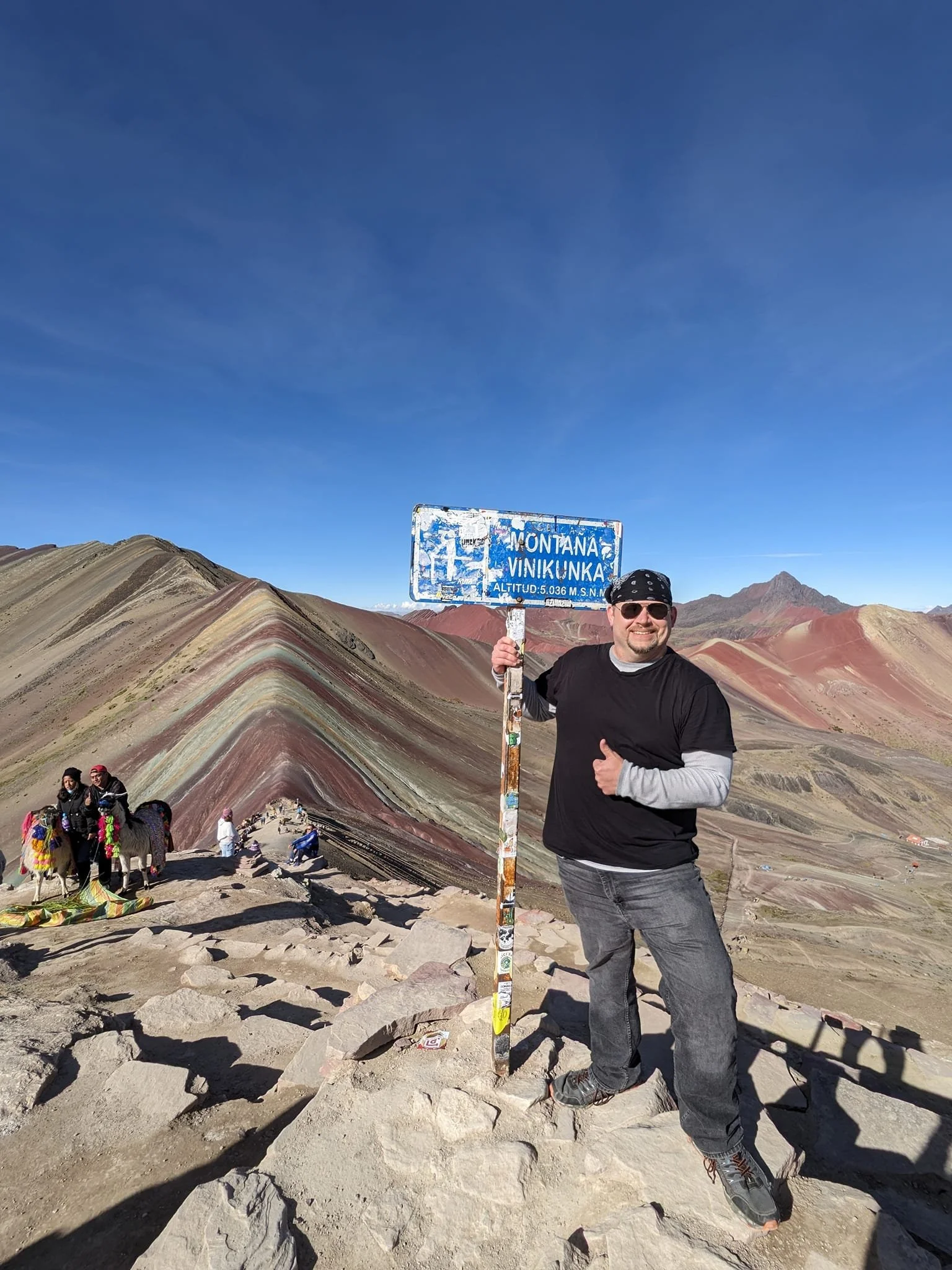
Christopher Bowen is the author of the chapbook We Were Giants, the novella When I Return to You, I Will Be Unfed, and the nonfiction Debt. He was a semi-finalist in the 2017 Faulkner-Wisdom Novella Competition and honorable mention in the 45th New Millennium Writing Awards in the non-fiction category. His short story collection The Things They Forgot to Tell Us When They Left, is forthcoming from Červená Barva Press.
Christopher Notarnicola: See Masthead.