
Instructions for Carrying the Name of Your Dead Brother
By L. F. Khouri
When your mother calls you by his name, answer. Even if she’s looking through you. Especially then.
Don’t fold his poster. Martyrs wrinkle if you fold them like paper.
Learn to sit the way he sat: elbows on knees, always leaning forward. Always about to stand up.
In your dreams, let him speak first.
Never ask why you got to stay.
If someone says your name with reverence, nod. Pretend it’s you they mean.
Take over his room, wear his clothes, and sleep in his bed.
Don’t throw away his toothbrush. Not yet. Some days, you’ll need even that to believe he was real.
Wear the shiny black shoes, the ones he was saving for Tawjihi celebration. They won’t fit, but that’s the point.
Memorize the story they tell on the news and the radio. The one where he died for the glory of his country. Don’t correct them. Don’t say he was going to the grocery store to get eggs.
After weeks of locking yourself in his bedroom, you walk home from school alone. You pass the posters and the mural on the mosque. His face is too handsome, too clean. You wonder who painted the jawline like that—he didn’t have a jaw like that. Say nothing.
After a while, when your cousin jokes that you're “the second draft,” laugh. When he says, “Let’s hope you’re better than the last one,” smile. Don’t bite your tongue too hard. Don’t let it remember the taste of that morning—metal, dust, smoke, and blood pooling on the sidewalk.
Family members ask what you want to be when you grow up, a few months later. Just smile. They’re not really asking. They’re making noise with their mouths, filling the silence with questions, trying their best to escape him.
On the first anniversary, the men gather again. They pray, smoke, drink Turkish coffee, and eat dates. They say, “Allah Yirhamo,” and look at you like you owe them proof. Let them.
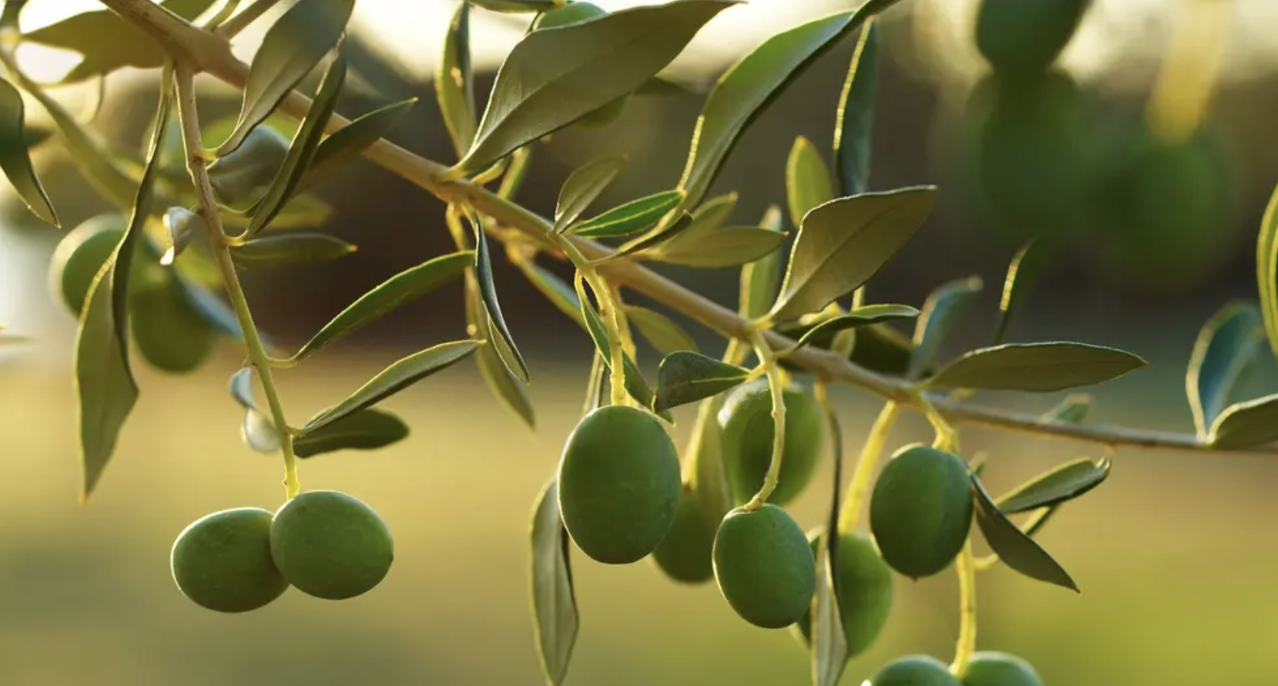
If you survive another year, or two, plant an olive tree, maybe. He liked the olives—with salt, labneh, and tomatoes wrapped in taboon bread. Don’t tell anyone where you planted it.
By the time the tree uncurls, opens its eyes, and cries into the soil, you’ll have forgotten how your own name sounds. But sometimes—while asleep, when your mother smooths your hair the way light brushes a fig leaf, and her tears gather there—your name will stir beneath your tongue.
One day, when the name you had forgotten finally crawls out of your mouth, whisper it to the olive tree you planted. Don’t take it back home, no matter how much it insists. Leave it there, on the leaves. Let it grow cold and hungry. Let it feed off the olives. Let it stain the bark. Let it bruise the pit.
L. F. Khouri is a Palestinian writer who has studied in the U.S. and abroad. His work has appeared or is forthcoming in The Offing, SmokeLong Quarterly, Chestnut Review, Another Chicago Magazine, scaffold, Eunoia Review, 100 Word Story, 50 Word Stories, Your Impossible Voice, miniMAG, and Literally Stories.